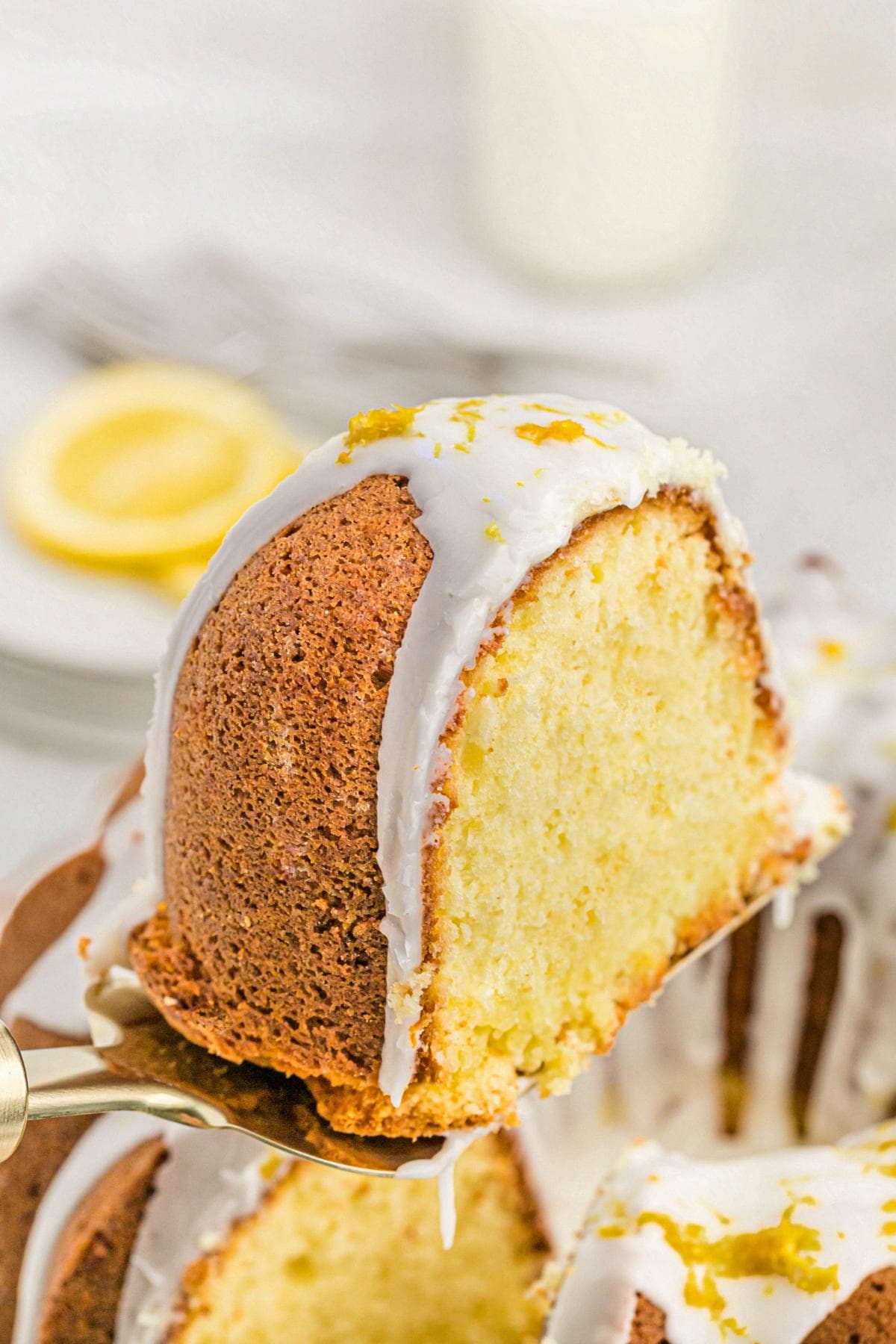
The Quest for the Perfect Moist Lemon Pound Cake
Few desserts evoke the same sunny nostalgia and comforting indulgence as a beautifully crafted lemon pound cake. It's a culinary hug, a bright burst of citrus that instantly lifts the spirits. But what truly elevates a good lemon pound cake to the realm of "best"? It's a delicate balance of zesty flavor, an incredibly moist crumb, and that irresistible, melt-in-your-mouth texture. If you've been searching for that elusive perfection, your journey ends here. We're about to unlock the secrets to a lemon pound cake that is not only perfectly citrusy but also boasts a tenderness that will have everyone asking for your recipe.
For many, the pound cake is a foundational baking lesson – simple in concept yet profound in its deliciousness. It teaches you the delicate dance of ingredients, the art of creaming, and the magic of a perfectly balanced batter. And when infused with the vibrant essence of fresh lemons, it transforms into an absolute showstopper. Forget artificial flavors; our focus is on the pure, invigorating taste of real lemons, from the zest to the juice, ensuring every bite is a refreshing delight.
The Anatomy of a Phenomenal Lemon Pound Cake: Beyond the Basics
Crafting the ultimate lemon pound cake starts with understanding its core components and prioritizing quality. While a traditional pound cake relies on a simple ratio of a pound each of butter, sugar, eggs, and flour, our quest for "the best" demands a little more finesse and a few intentional twists.
Embrace Fresh Lemon: The Heart of the Flavor
The single most important factor for an outstanding lemon pound cake is, unequivocally, fresh lemons. We cannot stress this enough: there is simply no substitute for the bright, aromatic oils found in fresh lemon zest and the tangy punch of freshly squeezed lemon juice. Artificial lemon oils or extracts, while convenient, fall flat in comparison, often imparting a one-dimensional, sometimes bitter, flavor profile. For this recipe, you'll be using fresh lemon in three forms:
- Lemon Zest: Packed with essential oils, zest provides the primary aromatic notes and a deep, complex lemon flavor.
- Lemon Juice in the Batter: Adds tang and moisture, complementing the zest's aroma.
- Lemon Syrup & Glaze: A double dose of citrus to infuse every pore of the cake and finish it with a shiny, zesty flourish.
The synergy of these elements creates a multi-layered lemon experience that tantalizes your taste buds from the first aroma to the lingering aftertaste. It's this commitment to natural, vibrant flavor that sets our lemon pound cake apart.
The Importance of Room Temperature Ingredients
This golden rule of baking is especially crucial for pound cake. Allow your butter, eggs, and any dairy (like cream cheese, which we'll discuss later) to sit out for at least 30-60 minutes before you begin. Why? Room temperature ingredients emulsify much better, meaning they blend together more smoothly and uniformly. Cold butter won't cream properly, leading to a lumpy batter and a denser cake. Room temperature eggs also incorporate more air, contributing to a lighter, more tender crumb.
The Secret to Unrivaled Moisture and Zesty Flavor
This is where our lemon pound cake truly distinguishes itself. While fresh lemons provide the zesty foundation, two "secret" ingredients – and a classic technique – are pivotal to achieving that legendary moist, tight crumb that defines the perfect pound cake, along with an extra flavor boost. These additions ensure your cake remains soft and delectable for days.
The Game-Changer: Instant Lemon Pudding Mix
Yes, you read that right! An unexpected hero in our recipe is instant lemon pudding mix. Based on extensive recipe testing, this seemingly simple addition works wonders. It not only amplifies the lemon flavor, giving it an extra punch without tasting artificial, but more importantly, it contributes significantly to the cake's moisture and tender texture. The starches in the pudding mix help create an incredibly soft crumb that stays moist longer, preventing the dryness often associated with some pound cake recipes. It’s a trick that elevates the texture to a whole new level of luxuriousness. For more insights on this fantastic ingredient, check out our guide on Elevate Your Lemon Pound Cake: Pudding & Cream Cheese Secrets.
The Richness of Cream Cheese
Another fantastic addition for ultimate moisture and a subtle tang is cream cheese. When incorporated into the batter, cream cheese lends a beautiful richness and an even softer, more velvety texture. It works in harmony with the butter to create a complex fat profile that keeps the cake incredibly moist without making it dense. The slight acidity from the cream cheese also enhances the lemon's brightness, creating a wonderfully balanced flavor profile that's both tart and sweet.
Cream It Real Good: The Foundation of Texture
No matter your secret ingredients, the technique of "creaming" is fundamental to a light and tender pound cake. This involves beating softened butter (and cream cheese, if using) with sugar until the mixture is light, fluffy, and pale in color. This process isn't just about combining; it's about incorporating air into the fats and sugar crystals. These tiny air pockets will expand during baking, contributing to the cake's rise and creating that desirable fine, tight crumb structure. Don't rush this step; cream for at least 3-5 minutes with a stand mixer, scraping down the sides occasionally, until the mixture is truly transformed.
Crafting Your Masterpiece: A Step-by-Step Guide
With our secret weapons and foundational knowledge in hand, let's walk through the process of baking your best-ever lemon pound cake.
Preparation is Key
- Preheat & Pan Prep: Preheat your oven to 350°F (175°C). Generously butter and flour a 6-cup loaf pan. For extra assurance against sticking, line the bottom with parchment paper, leaving an overhang on the sides for easy removal.
- Dry Ingredients: In a medium bowl, whisk together your all-purpose flour, baking powder (for a little lift), and salt. Set aside.
Building the Batter
- Creaming Power: In a stand mixer fitted with a whisk attachment (or using a hand mixer), cream the softened butter and cream cheese (if using) until smooth and light. Gradually add the sugar and lemon zest, creaming for 3-5 minutes until the mixture is very light and fluffy. This is also when you'd add your instant lemon pudding mix, blending it in with the sugar.
- Eggs & Vanilla: With the mixer running on low speed, add the eggs one at a time, beating well after each addition until fully incorporated. Stir in the vanilla extract.
- Alternating Additions: This step is crucial for a smooth batter. Working in alternating batches, gradually add the dry ingredients and fresh lemon juice to the butter mixture. Begin and end with the dry ingredients. Mix on low speed until *just* combined after each addition. Do not overmix! Overmixing develops the gluten in the flour, leading to a tough cake.
- Bake to Perfection: Pour the batter into your prepared loaf pan and smooth the top. Bake for 65 to 75 minutes, or until a wooden skewer or cake tester inserted into the center comes out clean or with just a few moist crumbs attached. The top should be golden brown and the cake slightly domed.
The Zesty Finish: Syrup & Glaze
While the cake bakes, prepare its luminous finish:
- Lemon Syrup: In a small bowl, whisk together 1/3 cup of granulated sugar with 1/3 cup of fresh lemon juice until the sugar is completely dissolved.
- Cool & Soak: Once the cake is out of the oven, let it cool in the pan for about 15 minutes. It will still be warm. Gently run a knife around the edges of the pan, then invert the cake onto a wire rack set over a sheet pan (to catch any drips). Peel off the parchment paper.
- Syrup Infusion: While the cake is still warm, use a pastry brush or turkey baster to generously spread the lemon syrup all over the top and sides of the cake. Repeat this process until all the syrup is absorbed. This syrup soaks into the warm cake, adding incredible moisture and an intense burst of lemon flavor right into the crumb.
- Simple Lemon Glaze: Once the cake has cooled completely (this is important for the glaze to set properly), prepare your glaze. Whisk together powdered sugar with a few tablespoons of fresh lemon juice until you reach a smooth, pourable consistency. Drizzle or spread generously over the cooled cake.
Beyond the Bake: Serving and Storage Tips
Once your masterpiece is complete, the anticipation builds for that first slice. For the best flavor and texture, serve your lemon pound cake at room temperature. The glaze will be set, and the cake's full aroma and moistness will shine through. Slice it thinly – the richness and flavor are so satisfying that a small slice goes a long way.
For storage, if wrapped well in plastic wrap, your moist lemon pound cake will last beautifully at room temperature for 2-3 days, or up to a week in the refrigerator. The beauty of this recipe is that it actually gets better on day two as the lemon flavors deepen and meld further into the cake. A slice of this bright, zesty cake with a warm cup of tea or coffee is an absolute perfect treat for yourself or to share with loved ones.
Conclusion
Baking the best moist lemon pound cake is a journey of understanding ingredients, mastering techniques, and embracing a few clever secrets. By prioritizing fresh lemons, utilizing the magic of instant pudding and cream cheese, and adhering to proper creaming and mixing methods, you’ll achieve a pound cake that is not just incredibly moist and zesty, but truly unforgettable. So grab your lemons, preheat your oven, and get ready to create a dessert that will earn you rave reviews and become a cherished recipe in your baking repertoire.
