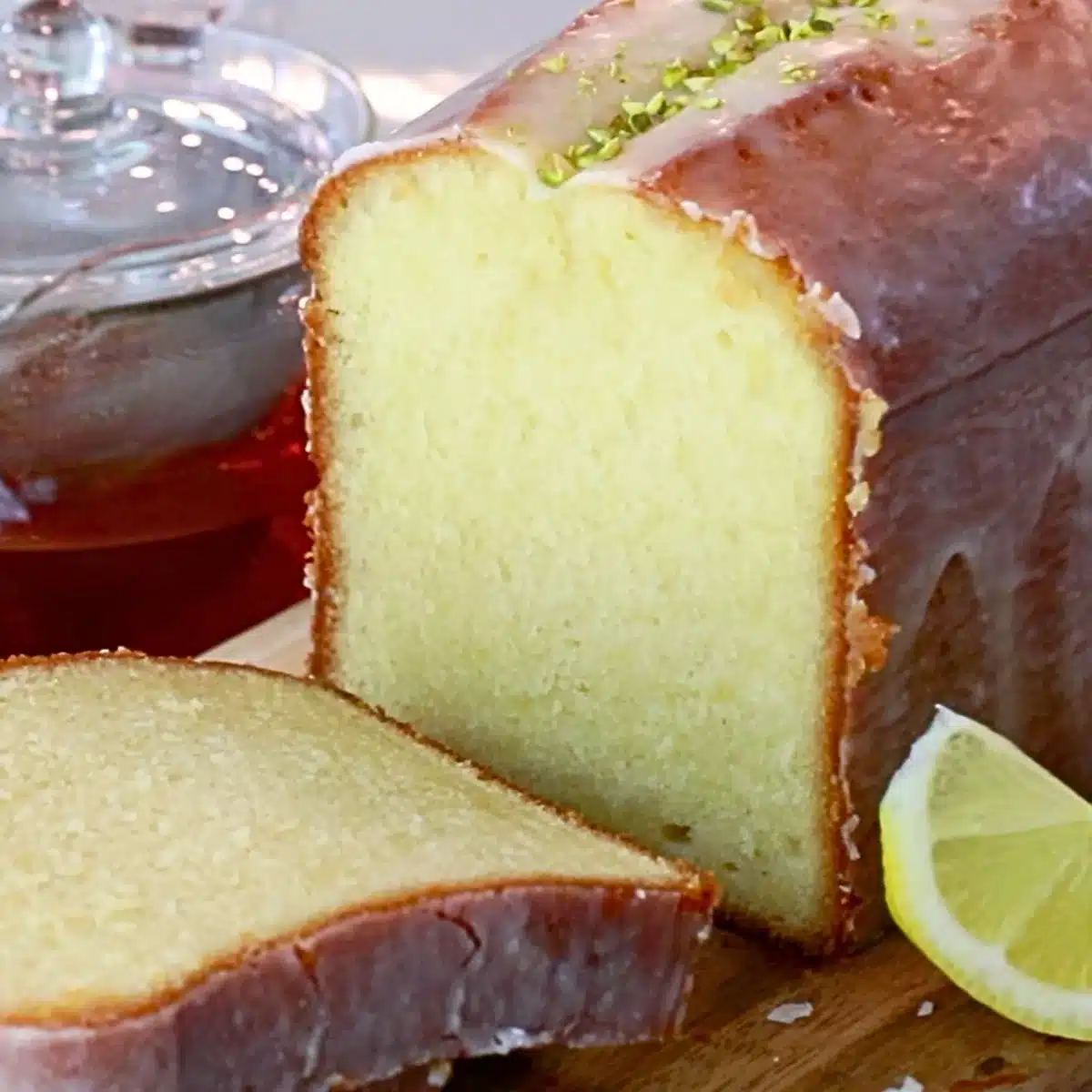
Elevate Your Lemon Pound Cake: Pudding & Cream Cheese Secrets
There are few desserts as universally cherished as a classic lemon pound cake. Its comforting aroma, golden crust, and dense, buttery crumb evoke feelings of warmth and nostalgia. But for many bakers, achieving that perfect balance of intense citrus flavor and unparalleled moisture can feel like a perpetual quest. While fresh lemon juice and zest are undeniable cornerstones, what if there were two simple secret ingredients that could transform your ordinary lemon pound cake into an extraordinary masterpiece? Get ready to unlock the secrets of instant pudding and cream cheese – the game-changers for a truly exceptional, irresistibly moist, and perfectly zesty cake.
The Quest for the Perfect Lemon Pound Cake Texture
Traditionally, pound cakes earned their name from the ratio of their core ingredients: a pound each of butter, sugar, eggs, and flour. This simple formula results in a rich, dense cake with a tight crumb, a hallmark of its rustic elegance. However, this density can sometimes lean towards dryness if not expertly handled. The challenge for many home bakers is to maintain that characteristic structure while infusing it with melt-in-your-mouth tenderness.
The secret lies not just in the technique, but in smart ingredient choices that enhance hydration and structure. While a lemon syrup glaze certainly contributes to moisture after baking, our focus here is on ingredients that work their magic *within* the batter itself, ensuring an incredible crumb from the very first slice.
Why Lemon is More Than Just a Flavor
Before diving into our secret weapons, let's reaffirm the star of the show: fresh lemon. The vibrant, bright, and utterly refreshing taste of real lemon is incomparable. Unlike artificial lemon oils or extracts, which can often taste synthetic or one-dimensional, fresh lemon juice and zest deliver a complex, aromatic burst that truly elevates the senses and instantly lifts your mood. It's this natural, zesty brightness that defines a truly great lemon pound cake.
- Zest First, Then Juice: Always zest your lemons before you cut and juice them. It's much easier to extract the fragrant zest from a firm, whole lemon.
- Quality Matters: Opt for organic or unwaxed lemons if possible, especially when using the zest, as it contains the most intense flavor.
Unlocking Unparalleled Moisture: The Pudding Powder Power
If you're aiming for a lemon pound cake that's so moist it almost melts in your mouth, instant pudding mix is your secret weapon. This humble pantry staple might seem unusual for a traditional cake, but it delivers truly remarkable results. Based on extensive recipe testing, bakers have discovered that adding dry instant pudding mix to the batter provides a significant boost in moisture, fundamentally alters the texture for the better, and can even amplify the lemon flavor.
So, how does it work? Instant pudding mixes contain starches and emulsifiers (often modified corn starch or similar hydrocolloids) designed to thicken liquids. When incorporated into cake batter, these ingredients attract and hold onto moisture during baking, preventing the cake from drying out. The result is an incredibly soft, tender, and moist crumb that stays fresh for longer. If you choose a lemon-flavored instant pudding, it also provides an extra layer of zesty flavor, deepening the overall lemon experience without needing excessive fresh lemon juice that could thin the batter.
Practical Tips for Using Pudding Mix:
- Instant is Key: Always use *instant* pudding mix, not the cook-and-serve variety. The chemistry of instant pudding is what works its magic in the oven.
- Add Dry: Do not prepare the pudding as instructed on the box. Instead, add the dry powder directly to your dry ingredients (flour, baking powder, salt).
- Flavor Choice: For an intense lemon punch, use lemon-flavored instant pudding. If you prefer to let the fresh lemon shine, a vanilla or unflavored instant pudding can still provide the moisture benefits without altering the primary flavor profile.
The Cream Cheese Conundrum: Adding Richness and Tenderness
Our second secret ingredient, cream cheese, is a well-loved addition in many desserts, and for good reason. When added to your lemon pound cake batter, it brings a luxurious richness, a subtle tang, and an exquisite tenderness that sets your cake apart. Like the pudding mix, cream cheese significantly contributes to a softer, more velvety crumb and helps maintain moisture throughout the cake.
The high fat content of cream cheese, combined with its unique texture, works wonders in the batter. It emulsifies beautifully with butter and sugar, creating a wonderfully smooth and stable base. This added fat content contributes to a moist, tender crumb by shortening gluten strands in the flour, preventing the cake from becoming tough. Furthermore, the slight tang of the cream cheese provides a delightful counterpoint to the sweetness of the cake and the bright acidity of the lemon, creating a more complex and balanced flavor profile.
Tips for Using Cream Cheese in Pound Cake:
- Room Temperature is Non-Negotiable: Just like butter and eggs, your cream cheese *must* be at room temperature. Cold cream cheese will not cream smoothly, leading to lumps in your batter and a less uniform texture in the finished cake.
- Whip it Real Good: When creaming your butter and sugar, add the softened cream cheese to this mixture and beat it until it's light, fluffy, and perfectly incorporated. This ensures an airy batter and a smooth texture.
- Full-Fat for Best Results: For the richest flavor and most tender crumb, opt for full-fat cream cheese. Low-fat varieties may alter the texture and moisture content.
Crafting Your Ultimate Lemon Pound Cake: A Step-by-Step Guide with Insider Tips
With these secret ingredients in hand, let's walk through the process of baking your ultimate lemon pound cake. Adhering to fundamental baking principles, combined with our innovative additions, will guarantee success.
Essential Ingredients & Preparation:
- All Room Temperature: Ensure your butter, cream cheese, and eggs have sat out for at least an hour (or longer) to reach room temperature. This is crucial for a smooth, emulsified batter that bakes evenly.
- Sift Dry Ingredients: In a medium bowl, combine your all-purpose flour, baking powder, salt, and your chosen instant pudding mix. Sifting these together ensures even distribution and prevents lumps.
- Prepare Your Pan: Butter and flour a 6-cup loaf pan (or Bundt pan for a different presentation), then line it with parchment paper, leaving an overhang on the sides. This makes for easy removal.
The Art of Mixing:
The mixing process is where the magic happens for that perfect texture.
- Creaming the Foundation: In a stand mixer fitted with a paddle attachment (or using a hand mixer), cream the softened butter and cream cheese together until light and fluffy. This can take 2-3 minutes. Then, gradually add the granulated sugar, beating for another 3-5 minutes until the mixture is pale, light, and airy. This aeration is key to a tender cake.
- Adding Eggs and Vanilla: With the mixer running on low speed, add the eggs one at a time, mixing well after each addition until fully incorporated. Scrape down the sides of the bowl as needed. Stir in your vanilla extract.
- Alternating Dry & Wet: With the mixer still on low, begin adding the dry ingredient mixture (flour, pudding mix, etc.) alternately with your fresh lemon juice. Start and end with the dry ingredients. For example, add about a third of the dry mixture, mix until just combined, then half of the lemon juice, mix, then another third of the dry, the remaining lemon juice, and finally the last third of the dry ingredients. Do not overmix! Mix only until just smooth, as overmixing can develop gluten and lead to a tough cake.
Baking & Glazing for Perfection:
Preheat your oven to 350°F (175°C). Pour the batter into your prepared pan, smoothing the top. Bake for 65-75 minutes, or until a wooden skewer or cake tester inserted into the center comes out clean or with a few moist crumbs attached. A perfectly baked pound cake will be raised in the center and golden brown.
While the cake bakes, prepare a simple lemon glaze. This usually involves stirring together powdered sugar and fresh lemon juice until smooth. For more detailed insights on achieving that perfect zesty flavor and mastering your glaze, check out our guide on Bake a Super Moist Lemon Pound Cake: Fresh Citrus & Glaze Guide.
Once the cake is out of the oven, let it cool in the pan for about 15 minutes. It will still be warm but firm enough to handle. Invert the cake onto a wire rack set over a sheet pan (to catch any drips). Peel off the parchment paper. While the cake is still warm, generously brush or baste the lemon glaze all over the top and sides. Repeat this process until all the glaze is absorbed, allowing it to soak into the warm cake for maximum moisture and flavor penetration. If you're looking for even more secret tips to make your lemon pound cake truly stand out, explore The Best Moist Lemon Pound Cake: Zesty Flavor & Secret Tip.
Let the glazed lemon pound cake cool completely at room temperature before slicing and serving. Wrapped tightly in plastic wrap, it will remain incredibly moist for up to a week.
Conclusion
Elevating your lemon pound cake from good to truly unforgettable is simpler than you might think. By incorporating the surprising power of instant pudding mix and the luxurious richness of cream cheese, you can achieve a level of moisture, tenderness, and robust lemon flavor that stands head and shoulders above the rest. These two secret ingredients, combined with the timeless appeal of fresh lemon and meticulous baking techniques, ensure a cake that’s not just a treat, but an experience. So grab your lemons, your pudding, and your cream cheese, and get ready to bake the best lemon pound cake you’ve ever tasted!
